Acrylic Sheet Price Factors: What Affects the Cost of Acrylic Sheets?

Informational

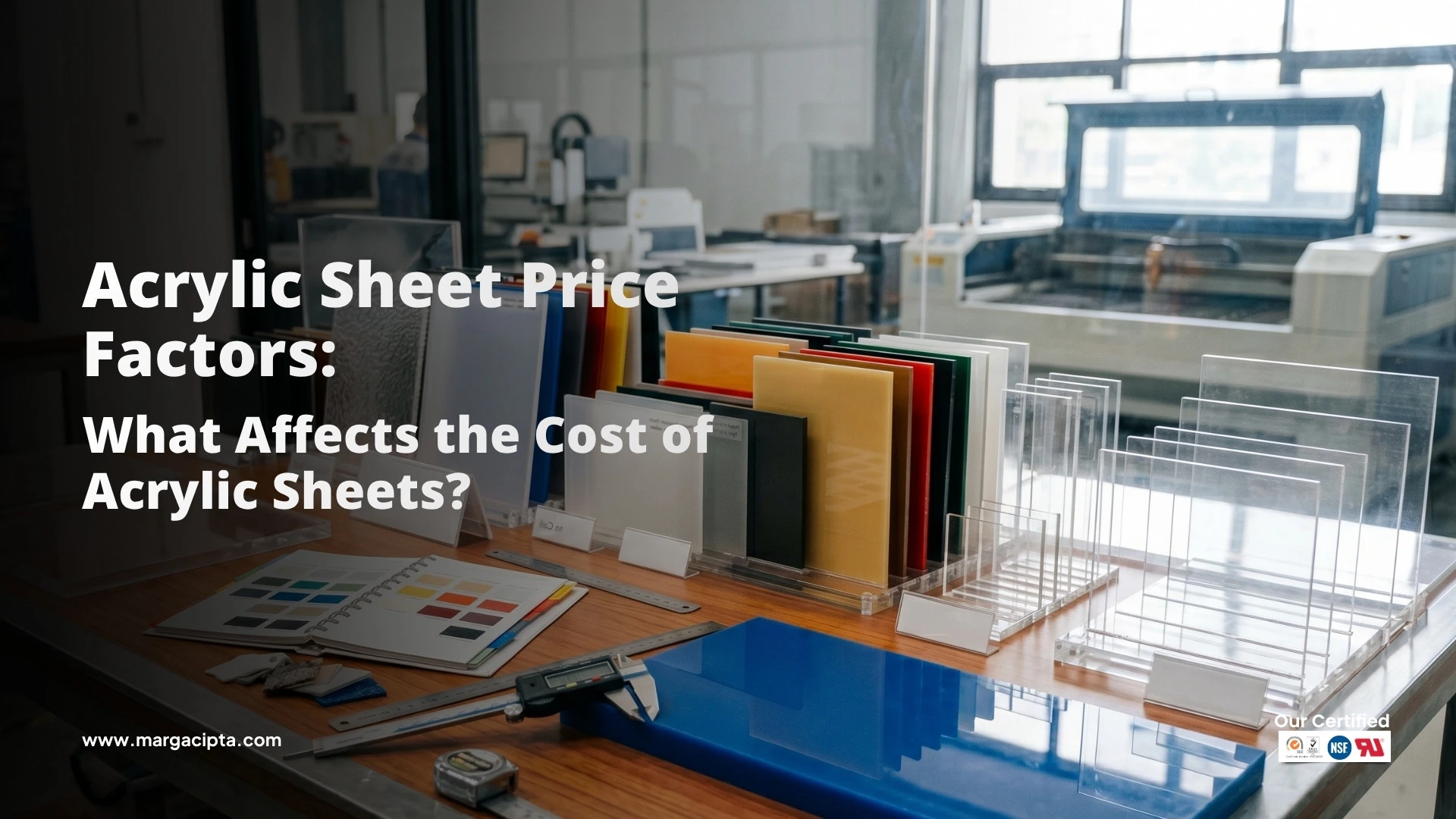
The cost of acrylic sheets depends on several factors, including material type, thickness, sheet size, surface finish, and fabrication requirements.

Understanding these factors can help businesses and buyers make informed purchasing decisions while selecting the right acrylic sheet for their applications.

Whether you're sourcing acrylic for signage, displays, interiors, or industrial projects, knowing what influences pricing can help you better plan your budget.

Why Acrylic Sheet Prices Vary

Not all acrylic sheets are manufactured the same way. Different production methods, material specifications, and finishing options can significantly impact the final cost.

The price of acrylic sheets reflects both the material quality and the intended application.

Read also: Why Cast Acrylic Is Better Than Glass: Benefits You Should Know

1. Type of Acrylic Sheet

One of the biggest factors affecting cost is the type of acrylic used.

Cast Acrylic

Cast acrylic is typically more expensive because it offers:

  • Better optical clarity
  • Superior engraving quality
  • Improved chemical resistance
  • Better overall finish

It is commonly used for premium signage, displays, and decorative applications.

Extruded Acrylic

Extruded acrylic is generally more cost-effective and suitable for standard fabrication projects. While it offers good performance, it may not provide the same level of quality as cast acrylic for certain applications.

2. Thickness of the Sheet

Thicker acrylic sheets require more raw material, resulting in higher costs.

For example:

  • 2 mm acrylic sheets are generally more affordable
  • 10 mm acrylic sheets cost significantly more due to increased material usage

Choosing the right thickness helps balance performance and budget.

3. Sheet Size and Dimensions

Larger acrylic sheets naturally cost more because they contain more material.

Custom sizes may also affect pricing due to:

  • Additional cutting processes
  • Material optimization requirements
  • Production efficiency considerations

Selecting standard sheet sizes can sometimes help reduce costs.

4. Surface Finish

Different finishes influence manufacturing complexity and pricing.

Common options include:

  • Clear acrylic
  • Satin acrylic
  • Frosted acrylic
  • Colored acrylic
  • Mirrored acrylic

Specialty finishes often carry higher costs because of additional production processes.

5. Color and Design Requirements

Colored acrylic sheets typically cost more than standard clear acrylic sheets.

Factors that contribute to pricing include:

  • Pigment quality
  • Color consistency
  • Manufacturing complexity

Special or custom colors may further impact overall costs.

6. Fabrication Requirements

Additional processing services can increase the total project cost.

Examples include:

  • Laser cutting
  • CNC cutting
  • Engraving
  • UV printing
  • Edge polishing

The more complex the fabrication process, the higher the final cost is likely to be.

7. Material Quality

Premium acrylic sheets often provide:

  • Better clarity
  • More consistent thickness
  • Improved durability
  • Better weather resistance

While higher-quality materials may have a higher initial price, they often deliver better long-term value and performance.

Read also: Clear Acrylic Sheet vs Glass: Pros, Cons & Key Differences

How to Optimize Acrylic Costs

To maximize value:

  • Choose the appropriate thickness
  • Select the right acrylic type
  • Avoid unnecessary customizations
  • Source materials from trusted suppliers

A well-planned specification helps achieve both performance and cost efficiency

Conclusion

Several acrylic sheet price factors influence the overall cost of a project, including material type, thickness, size, finish, and fabrication requirements.

Understanding these variables allows buyers to select the most suitable acrylic sheet while managing budgets effectively. Investing in high-quality acrylic can also provide long-term benefits through improved durability and performance.

Want to Order High-Quality Acrylic Sheets?

Marga Cipta offers premium acrylic sheets in various thicknesses, colors, and finishes for signage, displays, interiors, and fabrication projects.

For inquiries or orders, email info@margacipta.com.

For product updates, inspiration, and application ideas, follow Instagram @margacipta.


News Release

Why Does Acrylic Become Brittle? Common Mistakes You Should Avoid

Acrylic becomes brittle due to factors such as improper cleaning, excessive heat exposure, UV damage, and poor material handling.

Over time, these conditions can weaken the structure of acrylic sheets, making them more prone to cracking or breaking.

Understanding what causes acrylic to become brittle is important for maintaining its durability and appearance.

What Causes Acrylic to Become Brittle?

Although acrylic is known for its strength and durability, it can lose flexibility if exposed to damaging conditions for extended periods.

Several common factors contribute to brittleness.

Read also: Best Acrylic Thickness for Plaque: Complete Guide for Durable Results

1. Exposure to Harsh Chemicals

One of the biggest causes of brittle acrylic is the use of aggressive cleaning chemicals.

Chemicals such as:

  • Ammonia-based cleaners
  • Alcohol-based liquids
  • Strong solvents

can damage the acrylic surface and weaken its internal structure.

Over time, this may lead to:

  • Surface cracking
  • Cloudiness
  • Reduced flexibility

Using acrylic-safe cleaners is essential for long-term durability.

2. Excessive Heat

High temperatures can affect the stability of acrylic sheets.

Continuous exposure to excessive heat may cause:

  • Warping
  • Surface stress
  • Increased brittleness

Acrylic should be kept away from direct heat sources or environments with extreme temperature fluctuations.

3. UV Exposure Over Time

While many acrylic sheets have good UV resistance, prolonged outdoor exposure can still contribute to material aging.

Without proper UV protection, acrylic may gradually:

  • Become dry and rigid
  • Lose clarity
  • Develop microcracks

Using high-quality UV-resistant acrylic helps minimize this issue.

4. Improper Fabrication

Incorrect fabrication methods can introduce stress into the material.

Examples include:

  • Excessive drilling pressure
  • Poor cutting techniques
  • Uneven bending processes

These internal stresses may not appear immediately but can eventually cause cracks or brittleness.

Using proper fabrication equipment and high-quality acrylic sheets helps reduce the risk.

5. Poor Material Quality

Low-quality acrylic sheets are generally more susceptible to damage and brittleness.

Inferior materials may have:

  • Inconsistent composition
  • Lower impact resistance
  • Poor durability over time

This is why choosing reliable acrylic suppliers is important for long-term performance.

How to Prevent Acrylic from Becoming Brittle

To maintain acrylic durability:

  • Use mild acrylic-safe cleaners
  • Avoid excessive heat exposure
  • Store materials properly
  • Use correct fabrication techniques
  • Choose high-quality acrylic sheets

Proper maintenance significantly extends the lifespan of acrylic applications.

Why Acrylic Quality Matters

Premium acrylic sheets provide:

  • Better structural stability
  • Improved UV resistance
  • More consistent fabrication performance

For businesses and manufacturers, high-quality materials help reduce production defects and improve long-term reliability.

Marga Cipta supplies high-quality acrylic sheets suitable for signage, fabrication, displays, and decorative applications.

Read also: Best Acrylic Thickness for Ornaments: Size Guide for Perfect Results

Conclusion

Understanding what makes acrylic brittle helps prevent unnecessary damage and extends the lifespan of acrylic materials.

Factors such as harsh chemicals, heat exposure, UV damage, and improper fabrication can weaken acrylic over time. By using proper handling methods and high-quality acrylic sheets, you can maintain durability and achieve better long-term performance.

Ready to explore our cast acrylic options? At Margacipta Wirasentosa, we offer high-quality clear cast acrylic sheets from 100% virgin MMA in various thicknesses and custom sizes to fit your needs.

Reach out to our Instagram or download our Product Catalog for more information.

Best Way to Glue Acrylic Sheet: Adhesives and Application Tips

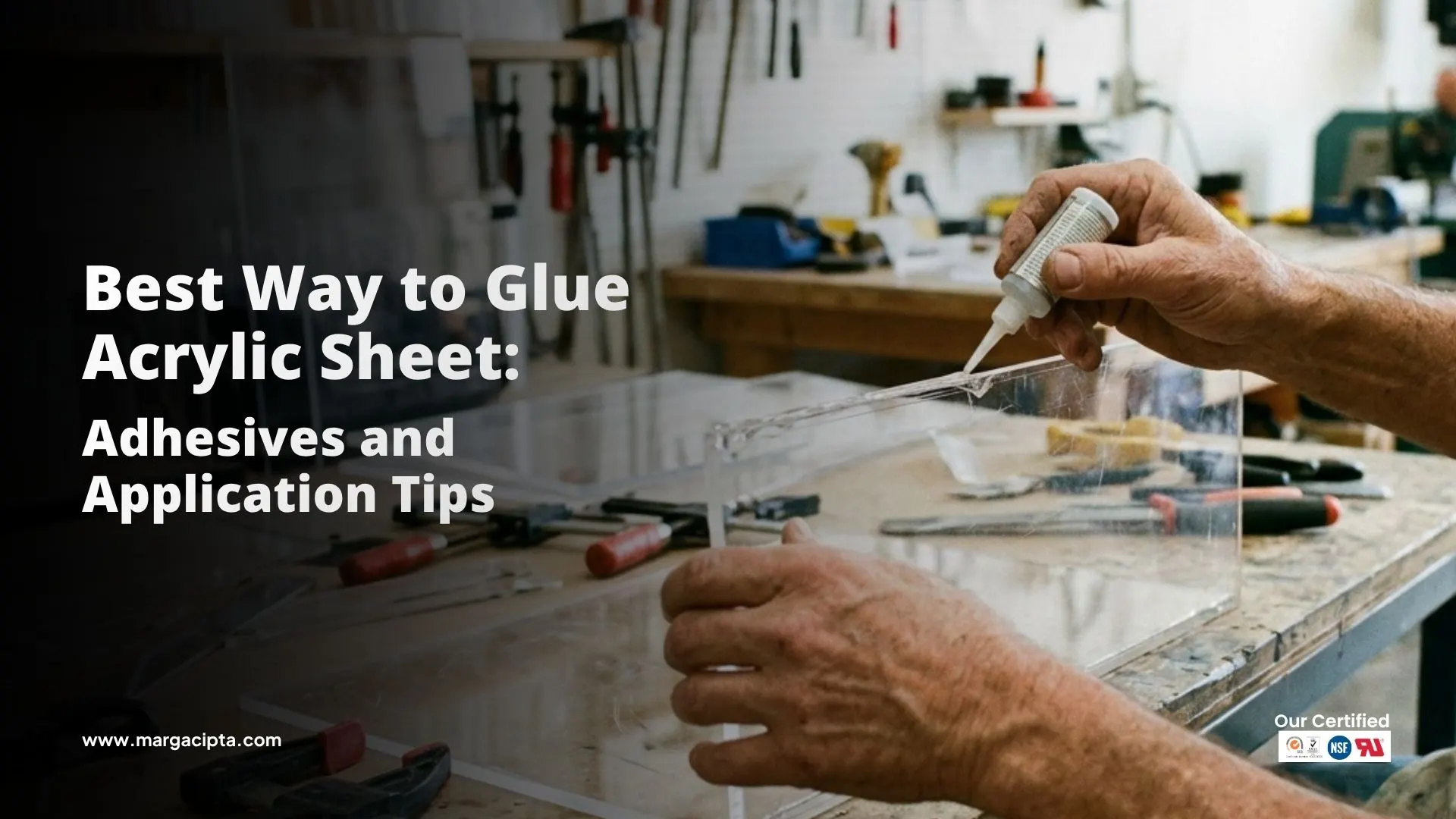
The best way to glue acrylic sheet is by using adhesives specifically formulated for acrylic, combined with proper surface preparation and careful application. 

Choosing the right adhesive and technique helps create strong, nearly invisible joints while minimizing bubbles, gaps, or surface damage.

Whether you're fabricating retail displays, signage, furniture, or custom acrylic products, understanding how to bond acrylic correctly is essential for achieving professional results.

Why Acrylic Requires Special Adhesives

Unlike wood or metal, acrylic cannot be effectively bonded using standard household glues.

Acrylic adhesives work by chemically bonding or welding the material, creating a much stronger connection than ordinary glue.

Using the correct adhesive offers several advantages:

  • Strong and durable joints
  • Clear, clean bonding lines
  • Better resistance to separation
  • Professional appearance

Selecting the wrong adhesive may lead to weak bonds, discoloration, or visible glue marks.

Read also: How to Bend Acrylic Sheet: Methods, Tools, and Best Practices

Common Adhesives for Acrylic Sheets

Several types of adhesives are commonly used depending on the project.

Solvent-Based Acrylic Cement

This is the preferred choice for many acrylic fabrication projects.

It softens the acrylic surfaces, allowing them to fuse together into a strong bond.

Ideal for:

  • Display cases
  • Retail fixtures
  • Signage
  • Clear acrylic assemblies

Two-Part Acrylic Adhesive

Two-part adhesives provide excellent strength and are suitable for larger or structural applications.

They are often used when maximum durability is required.

Specialty Acrylic Adhesives

Some manufacturers offer adhesives formulated specifically for decorative or high-performance acrylic applications.

These products are designed to maintain clarity while providing reliable bonding.

How to Prepare Acrylic Before Gluing

Proper preparation is essential for achieving a clean bond.

Before applying adhesive:

  • Clean the surfaces thoroughly
  • Remove dust and grease
  • Ensure edges fit together accurately
  • Leave protective film in place where possible to prevent scratches

Good preparation reduces the likelihood of visible imperfections after bonding.

Best Practices for Applying Adhesive

To achieve professional results:

Apply Adhesive Sparingly

Using excessive adhesive can create bubbles or overflow marks.

Align the Pieces Carefully

Position the acrylic accurately before the adhesive cures, as adjustments may become difficult afterward.

Use Clamps if Necessary

Gentle clamping helps maintain alignment while the adhesive sets.

Allow Adequate Curing Time

Follow the manufacturer's recommendations before moving or using the finished product.

Common Mistakes to Avoid

Avoid these common errors when gluing acrylic sheets:

  • Using general-purpose household glue
  • Applying too much adhesive
  • Bonding dirty surfaces
  • Forcing pieces together after curing begins
  • Handling the assembly before it has fully cured

Proper technique helps improve both strength and appearance.

Why High-Quality Acrylic Matters

Bonding performance also depends on the quality of the acrylic sheet itself.

Premium acrylic typically offers:

  • Consistent thickness
  • Smooth edges
  • Better machining quality
  • More reliable fabrication performance

Using high-quality acrylic helps achieve cleaner joints and more professional finished products.

Marga Cipta supplies premium acrylic sheets suitable for fabrication, laser cutting, engraving, and custom manufacturing applications.

Read also: Acrylic Cleaner Guide: Safe Liquids to Clean Acrylic Without Damage

Conclusion

Knowing how to glue acrylic sheet properly is essential for creating durable and visually appealing acrylic products.

By choosing the right adhesive, preparing the material correctly, and following proper application techniques, manufacturers and fabricators can achieve strong, long-lasting bonds.

Looking for High-Quality Acrylic Sheets?

Marga Cipta offers premium acrylic sheets in various thicknesses, colors, and finishes for signage, displays, furniture, and fabrication projects.

For inquiries or orders, email info@margacipta.com.

For product information, inspiration, and the latest updates, follow Instagram @margacipta.

Acrylic Sheet for Display Stand: Best Thickness and Type to Use

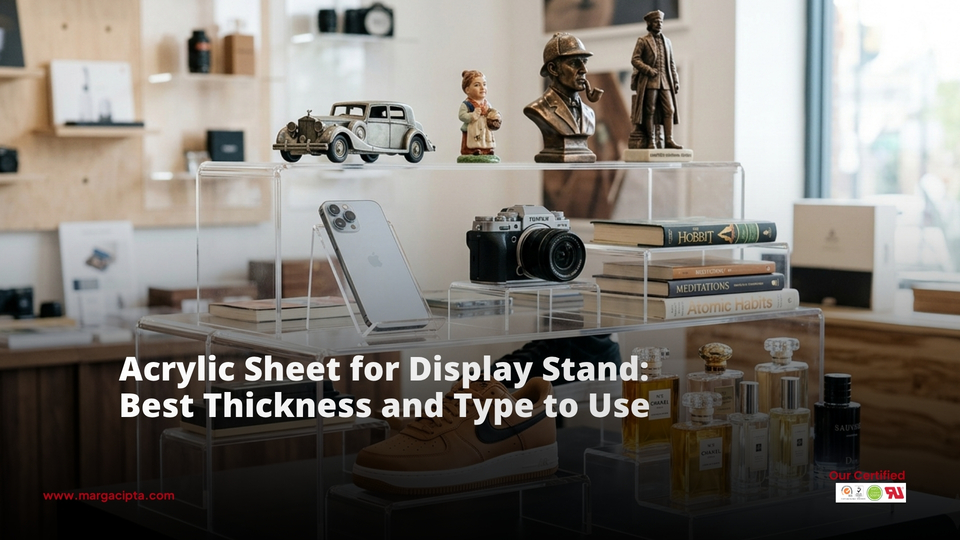
Acrylic sheet has become one of the most popular materials for display stands due to its clarity, durability, and versatility. Whether used in retail stores, exhibitions, or offices, choosing the right acrylic sheet for display stand is essential to ensure both aesthetics and functionality.

However, many people still struggle to determine the best thickness and type for their specific needs.

Why Acrylic Sheet is Ideal for Display Stands

Acrylic offers several advantages compared to glass or other materials:

  • High transparency similar to glass but lighter
  • Shatter-resistant and safer to use
  • Easy to fabricate (cutting, bending, engraving)
  • Professional and modern appearance

These qualities make acrylic sheets a top choice for product displays, signage, brochure holders, and more.

Read also: A Step-by-Step Guide on How to Cut Acrylic Sheet Safely

Best Thickness for Acrylic Display Stand

Choosing the right thickness depends on the size and purpose of the display.

Here are common recommendations:

  • 2-3 mm:
    Suitable for small, lightweight displays such as price tags or brochure holders.
  • 4-5 mm:
    Ideal for medium-sized display stands with moderate weight.
  • 6 mm and above:
    Recommended for larger or heavy-duty displays that require extra strength and stability.

Using acrylic that is too thin may cause bending or cracking, while overly thick sheets can increase costs unnecessarily.

Types of Acrylic Sheet

Understanding the different types of acrylic is equally important.

1. Cast Acrylic

  • Higher clarity and premium finish
  • Better for laser cutting and polishing
  • More durable and resistant to chemicals

Best for high-end display stands where appearance matters.

2. Extruded Acrylic

  • More affordable
  • Consistent thickness
  • Easier for mass production

Suitable for standard display applications with budget considerations.

Clear vs Colored Acrylic

  • Clear acrylic: Most common, ideal for showcasing products without distraction
  • Colored acrylic: Adds branding and visual appeal
  • Frosted acrylic: Provides a premium, soft look and reduces glare

The choice depends on branding and display goals.

Read also: How to Choose UV Resistant Acrylic Sheets for Outdoor Applications

Tips for Choosing the Right Acrylic Sheet

To ensure the best result:

  • Match thickness with the load and size of display
  • Choose cast acrylic for premium finishes
  • Consider environment (indoor vs outdoor use)
  • Ensure proper cutting and bending process

Common Mistakes to Avoid

  • Using acrylic that is too thin for heavy products
  • Ignoring surface finish quality
  • Choosing the wrong type for fabrication method

These mistakes can reduce durability and visual impact.

Conclusion

Selecting the right acrylic sheet for the display stand involves balancing thickness, type, and purpose. By understanding these factors, you can create displays that are both durable and visually appealing.

Looking for high-quality acrylic sheets?

Marga Cipta provides a wide range of acrylic sheets with various thicknesses and types, suitable for display stands, signage, and custom applications. Get the right material to elevate your display quality.

Colored Acrylic Sheet for Ornaments: Types, Colors, and Applications

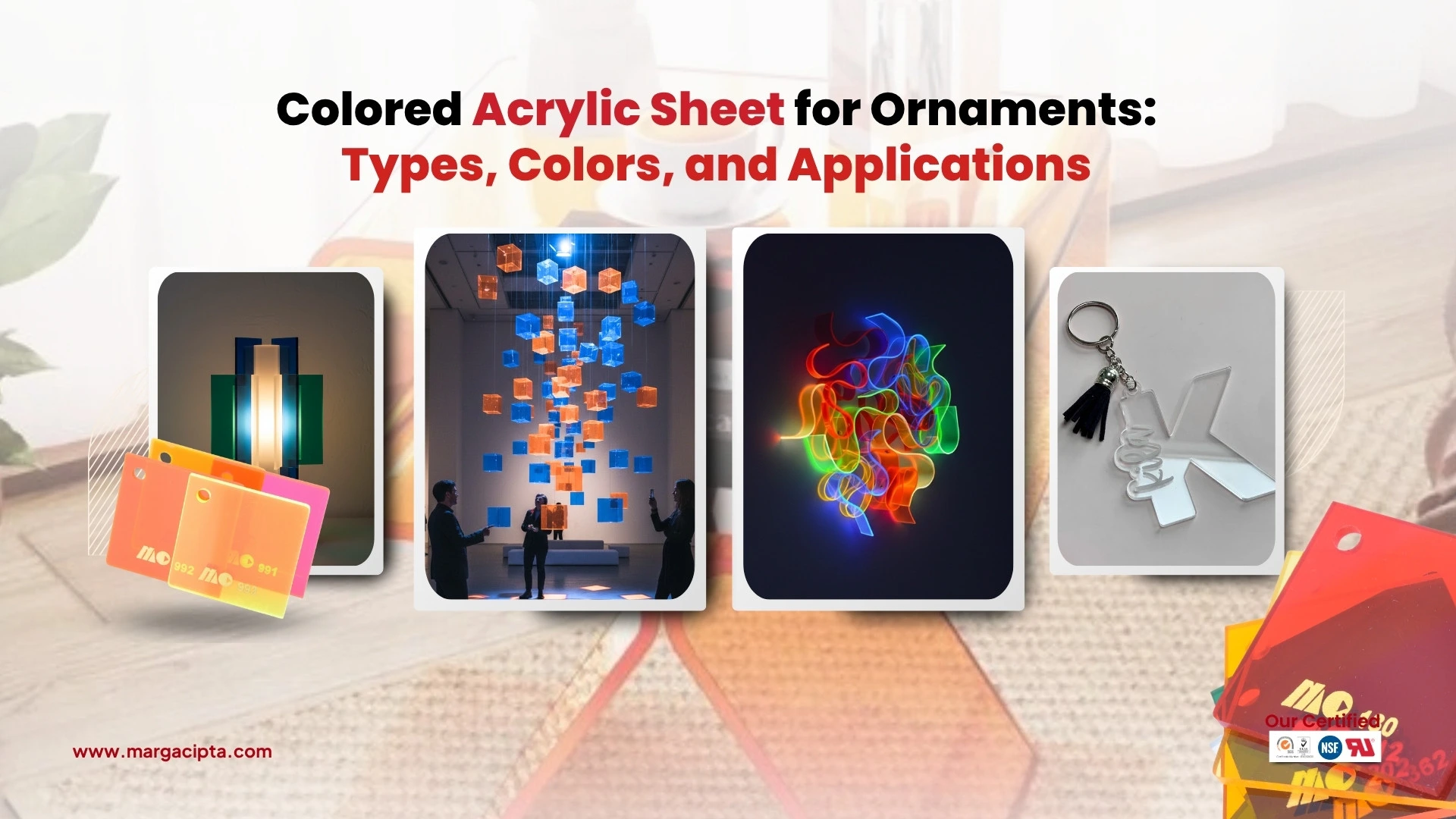
Colored acrylic sheets are one of the best materials for ornaments due to their versatility, vibrant appearance, and ease of fabrication.

They are widely used for decorative items such as hanging ornaments, seasonal decorations, and custom designs because they offer both durability and visual appeal.

If you are producing ornaments, for business or creative projects, choosing the right type and color of acrylic sheet is essential for achieving clean and professional results.

Why Use Colored Acrylic Sheet for Ornaments

Colored acrylic sheets provide several advantages compared to other materials:

  • Lightweight yet durable
  • Easy to cut and shape
  • Consistent color throughout the sheet
  • Suitable for laser cutting and engraving

Unlike painted materials, the color in acrylic sheets is embedded, ensuring long-lasting vibrancy without peeling or fading easily.

Read also: Best Acrylic Sheet for Cake Topper: Thickness, Finish & Tips

Types of Colored Acrylic Sheets

There are several types of colored acrylic sheets available, each suited for different ornament styles:

1. Solid Color Acrylic

This type offers full, opaque color such as black, white, red, or pastel tones. It is ideal for bold and clean ornament designs where visibility and contrast are important.

2. Transparent Colored Acrylic

These sheets allow light to pass through while adding color. They are commonly used for layered ornaments or designs that require a glass-like effect.

3. Frosted Acrylic

Frosted sheets provide a matte finish that diffuses light. They create a softer and more subtle appearance, perfect for minimalist or elegant ornaments.

4. Mirrored Acrylic

Mirrored acrylic delivers a reflective, high-end look. It is often used for premium ornaments or decorative pieces that require a metallic finish.

Popular Color Options

The choice of color depends on the intended design and theme. Some commonly used colors include:

  • Black and white for modern and minimalist designs
  • Gold and silver for premium or festive ornaments
  • Pastel tones for soft and aesthetic styles
  • Bright colors for playful and seasonal decorations

Choosing the right color combination can significantly enhance the final look of the ornament.

Common Applications

Colored acrylic sheets are used in a wide range of ornament applications, including:

  • Christmas and holiday ornaments
  • Name tags and personalized decorations
  • Event and wedding decor
  • Retail display accessories

Their versatility makes them suitable for both small-scale crafting and large-scale production.

Fabrication Compatibility

Colored acrylic sheets are highly compatible with modern fabrication methods such as:

  • Laser cutting for precise shapes
  • Engraving for detailed designs
  • UV printing for customized graphics

Using high-quality acrylic sheets ensures cleaner cuts, better color consistency, and fewer defects during production.

Read also: Acrylic vs Glass for Plaque: Which Material is Better?

Why Material Quality Matters

Not all acrylic sheets deliver the same performance. High-quality colored acrylic provides:

  • Uniform color distribution
  • Consistent thickness
  • Better durability during processing

For businesses, this means more reliable production and higher-quality end products.

Marga Cipta supplies premium colored acrylic sheets designed for fabrication, helping ensure consistent results across different ornament applications.

Conclusion

Colored acrylic sheet for ornaments offers an ideal combination of durability, flexibility, and visual appeal.

By selecting the right type and color, and using high-quality materials, you can create ornaments that are both attractive and professionally finished.

Ready to explore your clear cast acrylic options? At Margacipta Wirasentosa, we offer high-quality clear cast acrylic sheets from 100% virgin MMA in various thicknesses and custom sizes to fit your needs.

Reach to our Instagram or download our Product Catalog for more information.